

How it works
From sample to report
Sample Collection
The veterinarian collects a clinical sample (e.g., urine, skin, or ear).
Sterile technique and an appropriate container (e.g., test tube or transport medium) are used.
Inoculation onto the Agar Plate
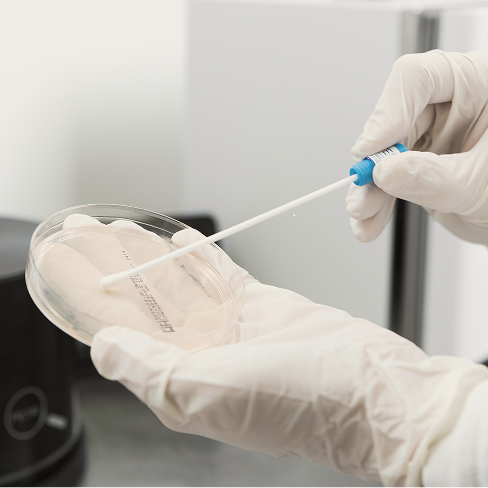
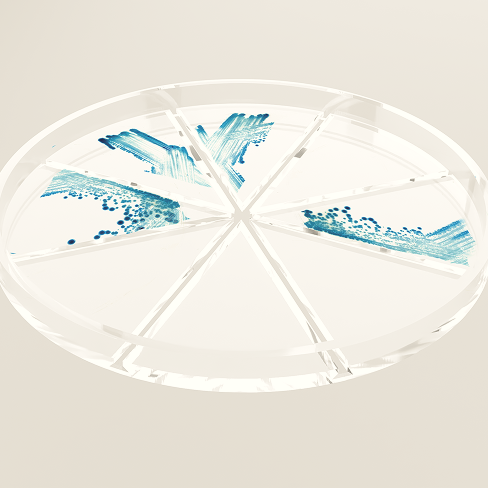
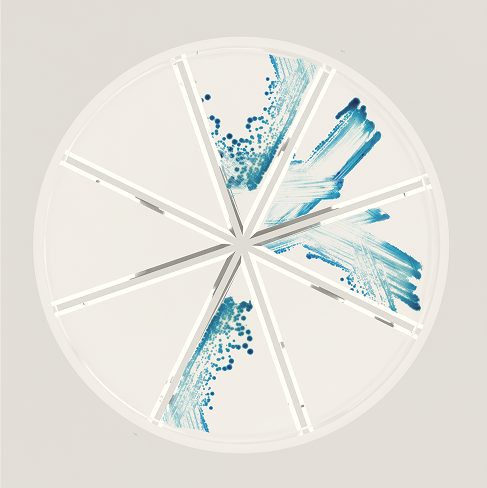
The sample is streaked onto a standard Petri dish (e.g., chromogenic agar).
Streaking is done according to protocol to ensure even distribution (e.g., with a loop or swab).
The same plate may also include an antibiogram (AST) using the disk diffusion method with antibiotic discs.
Inserting into the PetriEye Device
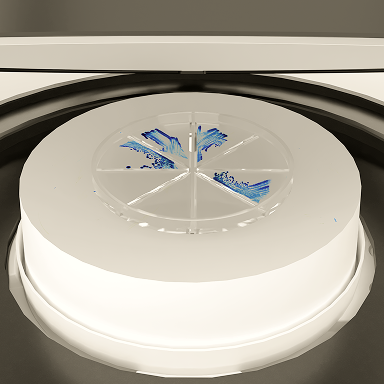
The Petri dish is inserted into the incubation chamber of the PetriEye device (a clean, temperature-controlled compartment).
After inserting the plate, the user is guided through a short, step‑by‑step setup directly on the device touchscreen to assign the sample and select the appropriate protocol.
Automated Incubation
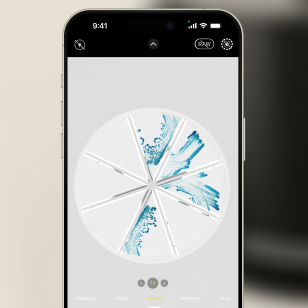
The PetriEye device maintains a constant incubation temperature (e.g., 35–37 °C) for optimal bacterial growth.
During incubation (24–36 h), the device automatically captures images of the plate at regular intervals (e.g., every 2 hours).
Image Review and Documentation
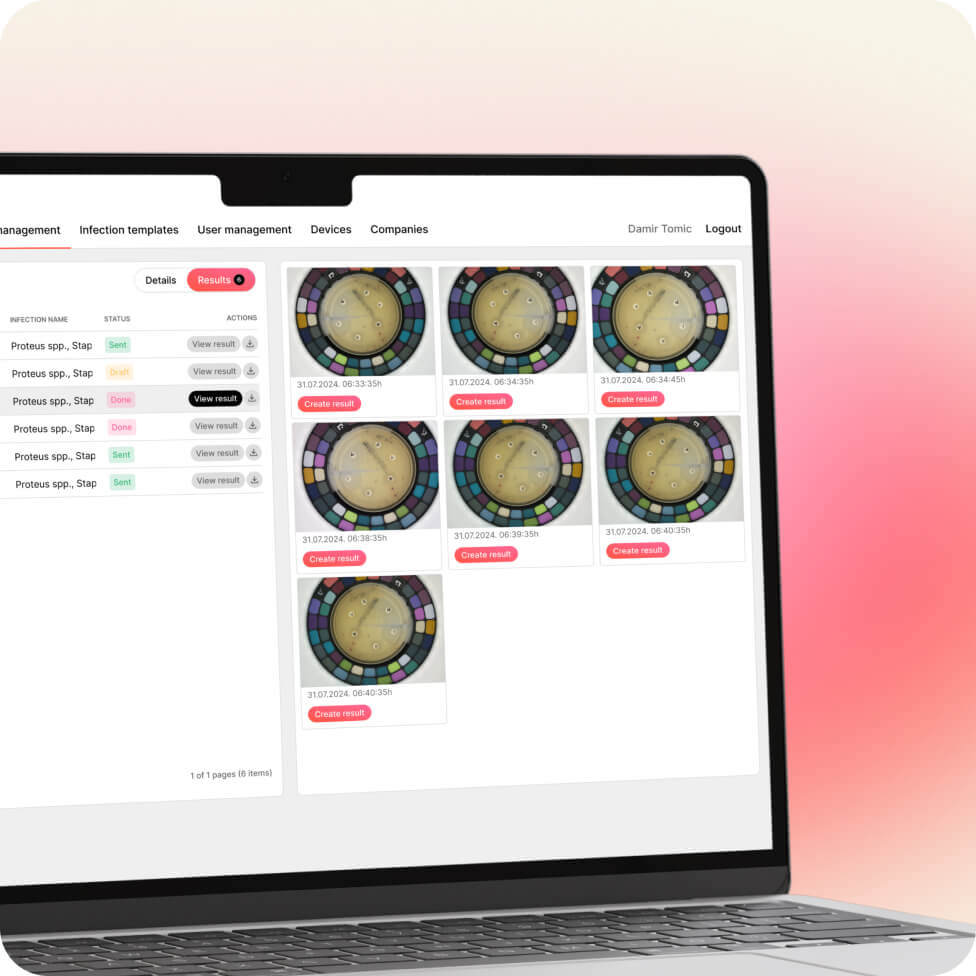
Captured images are reviewed within PetriEye to support consistent assessment and documentation.
Standardized images can be included in reports and reviewed by veterinary professionals as part of their workflow.
Reports in the Web App
Reports are available in the web app to support veterinary review, interpretation, and documentation.
Depending on the workflow, reports may include:
- Standardized plate images
- Algorithm-supported outputs
- Veterinary review and interpretation (based on professional judgment)
Reports can be shared via email and linked to the animal record.
Interpretation and Next Steps
Veterinarians interpret the report using their professional judgment and clinical context.
Based on this interpretation, they may:
- Decide on targeted treatment or against antibiotic treatment
- Share reports with colleagues or farmers, or use them for follow-up and monitoring
Additional features
Track results over time
(e.g., herd-level overview)
Aggregate data
Common pathogens and regional resistance trends
Export options
Export to Excel or PDF
Continuous improvement
The model improves via machine learning with each new case
Note: Availability of additional features may vary by product version and deployment.
Answers to the frequently asked questions.
Which animal species are currently within the validated scope?
PetriEye is used across small animals (dogs, cats) and dairy cows. The validated scope is expanding; contact us for the current list aligned with your indications and SOPs.
Which sample types are validated?
Typical samples include urine, skin/ear swabs, and milk (dairy). Validation sets are updated periodically; recommendations are aligned with your protocols.
What happens if a culture does not grow?
Outcomes depend on sampling asepsis, media freshness, and incubation conditions. The user manual includes step‑by‑step troubleshooting guidance with additional recommendations provided during onboarding.
What should I do if I encounter an issue?
If you encounter an issue during use, you can contact PetriEye support at support@petrieye.com. Our team will review your request and provide guidance or escalate it to the appropriate specialist if needed.
Do you support internal quality control (IQC)?
Yes. The system supports QC logging, consumables batch traceability, and quality control documentation. Guidelines and recommended QC frequencies for your environment are included.
What outputs are available for documentation?
The system provides standardized plate images and structured reports, with export options in common formats (e.g., image, PDF, Word) to support clinical documentation, audits, and research workflows. Final interpretation remains the responsibility of the clinician, with algorithm outputs supporting the assessment.
Is training required?
A short onboarding (1–2 hours) is usually sufficient to cover sampling, plating, device operation and report preparation. Our team supports your first real cases.
Still have questions?
For assistance, please visit our Contact Us page.
Let’s connect
Interested in clinical pilots, product demos, or partnerships? We'll help you explore how PetriEye fits into your workflow.
Prefer email? Reach us at info@petrieye.com

